

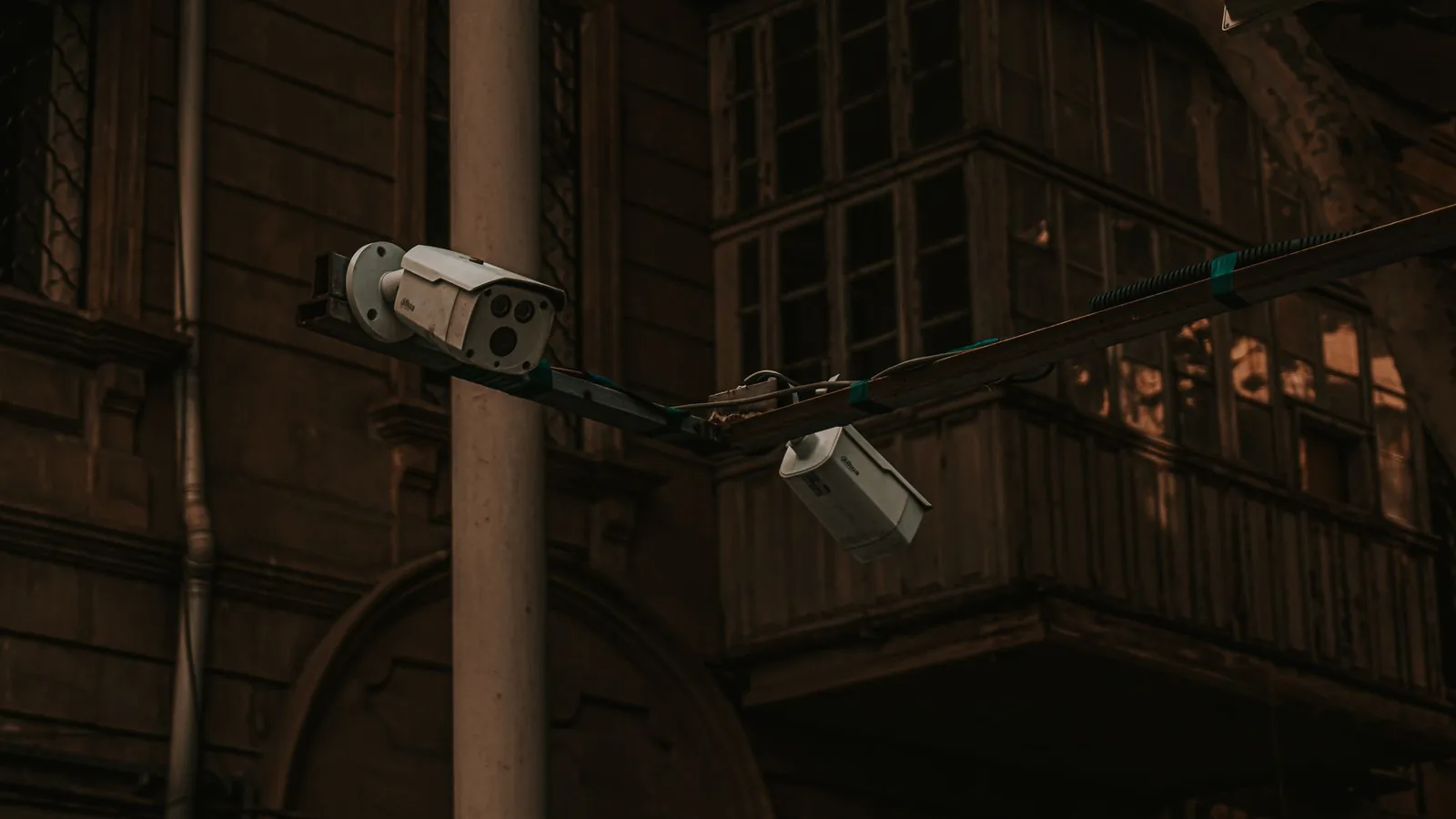
When neighbours, trustees and facility managers talk about community safety around Pretoria, CCTV often sits in the middle of the conversation. Cameras on estate boulevards, school perimeters and small retail strips can help people understand what happened after an incident—but only when recording, retention and access rules are thought through before the first bracket is drilled. This article looks at how shared video fits estates, schools and business districts in the Pretoria–Centurion–Midrand corridor, where to draw privacy lines, and what cameras cannot replace.
What “community safety” means on the ground
Community safety is not a single product. It is the combination of lighting, access rules, patrol patterns, neighbour awareness and—where appropriate—recorded video that authorised people can review when something goes wrong. In gated estates from Faerie Glen and Moreleta Park through to Centurion’s Irene and Lyttelton, cameras are often proposed because trustees want evidence when vehicles tailgate, visitors dispute gate entries, or common property is damaged. In open suburbs along Garsfontein Road or in older townhouse complexes near Menlyn, the same cameras must respect public-facing pavements and neighbouring properties. The hardware is similar; the governance is not.
Schools and early-learning centres face a different balance. Perimeter cameras may cover gates and parking, but classrooms and playgrounds need policies that protect children’s privacy while still giving administrators usable footage at arrival and dismissal times. Small business districts—strip malls in Pretoria East, service yards in Centurion office parks, logistics fronts in Midrand—use CCTV to watch loading zones and after-hours access points. In each case, the useful question is not “how many cameras can we afford?” but “who will watch, who may export clips, and how long will we keep them?”
Estates: shared spaces without turning residents into suspects
Gated communities remain a major market for professional CCTV installation in the Pretoria metro. Typical estate projects combine guardhouse views, boulevard overview cameras, pool and clubhouse areas, and sometimes ANPR-style coverage at vehicle lanes—always subject to body corporate approval and cable routes that respect other utilities. Trustees often inherit a mix of old analogue cameras and newer IP devices; a phased upgrade plan beats replacing everything after a single cable fault takes half the system offline.
Responsible estate CCTV starts with signage at entrances and near cameras that face common areas. Residents should know which areas are recorded, whether live viewing is limited to security staff, and how incident footage is shared with SAPS or insurance assessors. Footage should not circulate on WhatsApp groups; export should follow a written process with date, reason and approver. Retention should match real investigation needs—long enough to cover weekend incidents and insurance reporting windows—not “everything forever on a single disk.”
Estates with long tree-lined avenues—think Woodhill, Silver Lakes edges, or established complexes in Erasmusrand—need lens choices that handle dappled light and headlights at night. Guardhouses benefit from views that show faces at the intercom, not only vehicle roofs. Where access control shares credentials with visitor logs, video can corroborate access events; where it does not, operators waste time matching unrelated spreadsheets to NVR timelines.
Schools and campuses: perimeter focus and clear policies
School governing bodies usually prioritise gates, parking, sports fields’ public edges and server or admin corridors—not classrooms. Cameras can support dispute resolution when parents question pickup handovers or when equipment goes missing from storerooms, but policies should spell out who may request footage, how POPIA-related requests are handled, and when clips are deleted. Independent schools along the Pretoria East ridge and public schools in older suburbs alike benefit from the same principle: minimise coverage of people who are not involved in a security incident.
After-hours events—weekend sport, church use of halls, market days—need temporary arming rules or separate user accounts so cleaners are not recorded in areas that are normally private. Integration with existing alarms or gate intercoms is attractive, but only when timelines and responsibilities are documented. A camera that records a break-in but nobody knows how to export a clip within hours has limited community value.
Business districts and mixed-use sites
Centurion’s office corridors and Midrand’s logistics pockets often share a pattern: public-facing retail or reception, restricted stock or server areas, and rear delivery doors that see more action than the front façade. Community safety here overlaps with occupational health and cash-handling policies. Cameras at tills and receiving bays support staff as much as they deter opportunistic theft—provided managers know how to search footage without trawling entire shifts.
Landlords and body corporates in multi-tenant buildings should clarify whether CCTV is common property or tenant-owned. Cable routes through basements and rooftop plant rooms need as-built diagrams so future tenants do not accidentally cut homeruns during fit-outs. For proactive use—line crossing on yards after hours—proactive CCTV only helps when someone authorised can respond; otherwise alerts fatigue guards and shop owners alike.
Law, privacy and South African context
South Africa’s Protection of Personal Information Act (POPIA) treats identifiable video as personal information when it can be linked to a person. Operators need a lawful basis to collect it, must secure storage, and should limit use to the purpose that justified installation. That does not ban estate or business CCTV; it requires adults-in-the-room decisions about retention, access logs and third-party sharing. When in doubt, document the policy before expanding camera counts.
Signage, fair notice and restricted administrator accounts are practical controls cheaper than later disputes. Masking or excluding areas—neighbour windows, public sidewalks beyond your erf, staff break rooms—shows good faith. Our CCTV FAQ touches on recording length and privacy; pairing written estate rules with technical user permissions prevents casual live viewing on phones.
What CCTV augments—and what it does not
Cameras rarely prevent every determined intrusion on their own. They change behaviour when visible, they document events when configured correctly, and they speed up investigations when timestamps and angles are right. They do not replace patrols, visitor vetting, lighting upgrades, or broken fence repairs. Community safety improves when video is one layer in a plan trustees or managers can explain to residents in plain language.
Night performance matters in Pretoria’s summer storms and winter dust. Loose outdoor connectors fail after hail; recorders without surge protection restart at the worst moment. Scheduling firmware and health checks under maintenance contracts reduces the odds that community cameras are ornamental. Regular tests—“can we export a clip from last Tuesday in under five minutes?”—matter more than marginal megapixel gains.
Planning a community-minded CCTV rollout
Start with a short risk workshop: list incidents from the past year, times of day, and places people already avoid because they feel unsafe. Map those to camera locations, retention days and who needs training. Invite your installer to walk the site at dusk; glare from setting sun along east–west roads in Pretoria East catches many first-time designs off guard. Request a written scope with cable routes, storage calculations and user roles—not a single lump sum with no assumptions.
Phase projects if budget is tight: guardhouse and main gate first, then boulevards, then amenity areas. Keep cable labelling consistent so phase two does not orphan older cameras on a separate app. If analytics are on the wish list, confirm licensing and compatible hardware up front; retrofitting analytics licenses later can surprise committees.
Working with security providers and SAPS
When footage may support a criminal case, chain of custody matters. Export to removable media with documented handover beats informal phone recordings that compress quality. Know your NVR’s time sync source—GPS or reliable NTP—and check it after power failures. Estate managers who rehearse this once a year avoid panic during real incidents.
Private security companies patrolling Centurion or Pretoria East estates sometimes ask for live feeds or VPN access. Contract clauses should state what they may view, whether they may download, and audit expectations. Community safety improves when roles are clear: guards respond, administrators export, trustees approve exceptional releases.
Takeaways for trustees and facility managers
- Publish a simple CCTV policy before adding cameras to common property.
- Size retention to investigation and insurance needs—not unlimited storage by default.
- Train more than one person to export clips; passwords should not live with a single volunteer trustee.
- Combine video with lighting and access improvements where the site plan shows gaps.
- Review camera placement annually as landscaping and parking patterns change.
If you are scoping shared cameras for an estate, school or small business park in Pretoria, Centurion or Midrand, begin with our CCTV installation overview and use the quote form with your suburb and property type. For deeper reading on alerts versus recording-only setups, see proactive CCTV and other guides on our security blog.