

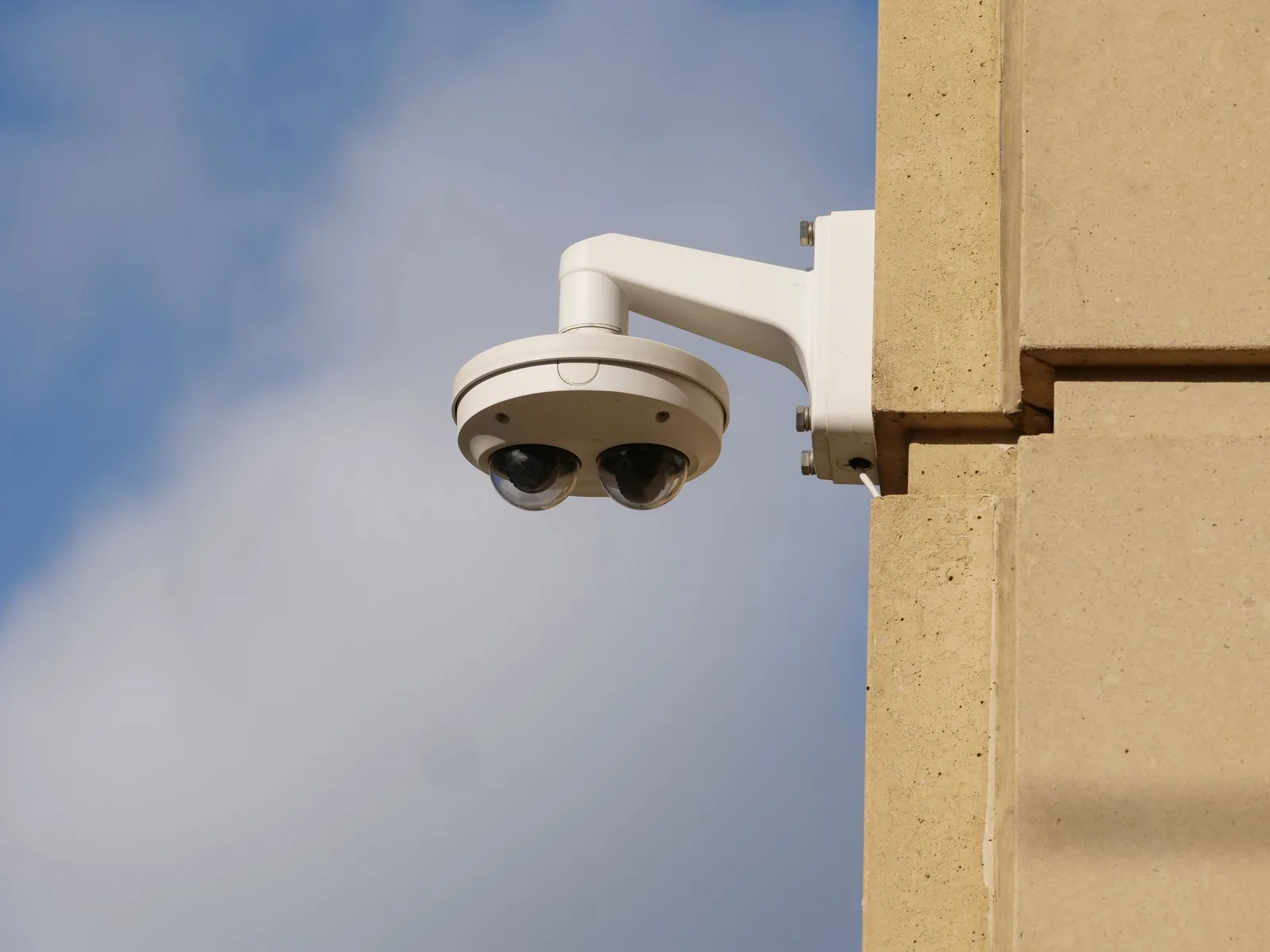
Homeowners in Pretoria East, trustees in Centurion estates and shop managers along Midrand corridors often ask the same question before they sign a quote: will cameras actually stop a break-in? The honest answer is nuanced. Visible, well-maintained CCTV changes behaviour for many opportunistic offenders, but it is not a force field. Recording helps after the fact; lighting, access control and alarms fill gaps cameras cannot see. This article explains how deterrence and evidence work in a South African context—without promising outcomes no installer can guarantee.
Deterrence: what cameras signal to an opportunist
Criminology research and practical experience from security teams suggest that many burglaries are impulsive: a weak gate latch, an open garage, a dark side path. In those cases, signage, obvious camera housings and working IR at night suggest someone may be watching or that footage could identify a vehicle or face later. That signal matters along busy strips in Brooklyn and in quieter cul-de-sacs in Irene where offenders scout during the day. Cameras that are dusty, poorly angled or obviously offline send the opposite message—that the property is an easy test target.
Deterrence is strongest when cameras cover the routes an intruder must use: driveway approach, front door, patio sliders, pedestrian gates and alley walls between townhouses. A single high camera that only sees the top of a cap does little; a camera at face height at the intercom does more. Professional CCTV installation in the Pretoria metro usually starts with those choke points before adding decorative overview shots.
Evidence: when deterrence fails
Determined offenders—especially those targeting high-value goods or who have already studied your routine—may still attempt entry. Here CCTV’s value shifts to documentation: time-stamped video for SAPS case numbers, insurance assessments and internal disciplinary processes. Clarity at night, correct timezone settings and enough retention to cover weekends matter more than megapixel marketing. If your recorder reboots every loadshedding cycle and loses the night of the incident, deterrence and evidence both failed for practical purposes.
Export workflows should be rehearsed before an emergency. Trustees, homeowners and store managers who have never clicked “download clip” under stress waste hours while memories fade. Handover training from your installer is not optional for estates with rotating guard staff.
Layering controls beyond the lens
Security practitioners talk about layers because each control has failure modes. Perimeter lighting reduces hiding spots along walls in Waterkloof Ridge and in older complexes near Hatfield. alarm systems protect indoor zones while family members move upstairs. Electric fencing and beams still need maintenance; cameras help confirm whether a trigger was a cat, a gardener or something that needs a patrol response.
Access control on storerooms, server cupboards and estate guardhouses limits who can disable devices. Integrations between intercoms, gates and video are useful when timelines are documented—otherwise guards watch one screen and miss alerts on another.
Proactive alerts and human response
Passive recording helps investigations; proactive CCTV analytics aim to shorten the window between intrusion and response. Human-detection rules, line crossing and sirens or strobes on outbuildings can chase opportunists before they reach a window—but only if someone can act. Alerts that ping a phone while the owner is overseas need a local responder: neighbour, armed response, estate patrol. False triggers from Pretoria thunderstorms and tree shadows require tuning during commissioning; that tuning should appear in your scope.
Estates along the N1 in Centurion sometimes combine guardhouse monitoring with limited proactive rules on perimeter cameras. Smaller homes may prefer phone notifications on a few zones rather than outdoor sirens that upset dogs and neighbours. Match alert ambition to who actually answers at 02:00 on a Sunday.
Signage, privacy and community expectations
Visible CCTV signage is part of deterrence and part of lawful processing of personal information. Point cameras away from neighbours’ bedrooms where possible; use privacy masks on public pavements if a lens must overlap. WhatsApp circulation of incident clips destroys trust faster than a single theft—estate policies should channel exports through trustees or management.
Schools and churches hiring halls on weekends need temporary rules so recording in playgrounds does not capture unrelated events without notice. Retailers must balance theft prevention with customer dignity at tills—coverage angles matter for disputes without humiliating shoppers.
Maintenance keeps deterrence credible
A spider web across a dome lens, blown IR LEDs or a failed hard drive silently erodes the system you paid for. Scheduled checks under maintenance contracts catch tilted cameras after garden service bumps them, firmware drift and disks reporting early SMART warnings. After renovations—common in Centurion office parks and home extensions in Garsfontein—re-walk sight lines before assuming old positions still cover new walls.
Lightning season on the Highveld fries switches and injects glitches into recordings. Surge protection and UPS sizing belong in the same conversation as camera counts; otherwise break-ins are not the only risk.
What SAPS and insurers actually need from your system
When you open a case, investigators ask for exportable clips with readable timestamps, wide context before and after the event, and stable frame rates—not maximum digital zoom on a single frame. Insurance assessors often request proof that cameras were operational on the date of loss; maintenance logs and health-check reports speed that process. Keep recorder clocks on reliable NTP sources and note who has administrator passwords so exports are not delayed because one trustee left the estate three years ago.
Licence-plate detail at estate gates helps, but only when shutter speeds and angles are realistic; marketing stills rarely match rainy-night reality on Olifantsfontein Road approaches. Pair ANPR ambitions with lighting and lane discipline—cameras cannot read plates through dirty windscreens and glare without engineering effort.
Realistic goals for Pretoria-area properties
- Reduce opportunistic attempts with visible, working cameras and lighting.
- Speed up investigations with clear night images and aligned timestamps.
- Support insurance and SAPS reporting with exportable clips and as-built diagrams.
- Combine CCTV with alarms, access rules and human response where budgets allow.
No ethical installer promises zero crime. A well-designed system should make your property a harder, riskier choice than the neglected house two streets away—and give you facts when something still goes wrong. Start with a written survey that lists blind spots, retention targets and who will maintain the gear after handover.
If you want alerts as well as recordings, read how proactive CCTV is commissioned in our service area, then request a quote that states response expectations explicitly.